
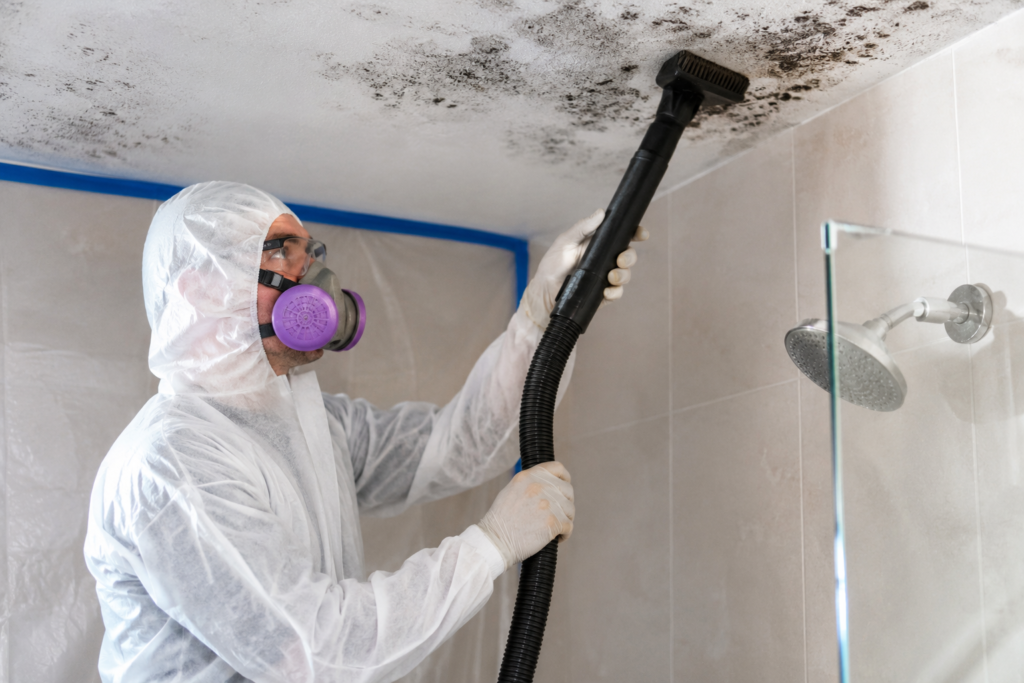
If you’ve spotted dark, splotchy patches creeping across a bathroom ceiling, closet wall, or the underside of your kitchen sink, you’re probably asking two questions: how much is this going to cost me, and what actually happens once someone comes out to fix it. Fort Worth’s humid summers and older housing stock make black mold a common call for local homeowners, and knowing what to expect before you pick up the phone can save you both money and stress.
This guide breaks down real cost ranges for black mold removal in Fort Worth, walks through the remediation process step by step, and explains when a small DIY fix is enough versus when you need a licensed black mold removal team.
Why Black Mold Shows Up So Often in Fort Worth Homes
Black mold (often Stachybotrys chartarum, though homeowners use the term loosely for any dark mold) needs three things to grow: moisture, warmth, and an organic food source like drywall, wood, or insulation. Fort Worth checks every box. Long, humid summers push indoor humidity levels up, older homes often have less-than-ideal attic ventilation, and sudden storms can drive water into places you’d never think to check.
The most common trouble spots we see across Tarrant County include:
- Bathrooms with poor exhaust fan use
- Attics with inadequate ventilation, especially after roof leaks
- Basements and crawl spaces after flooding or slow plumbing leaks
- Around HVAC condensation lines
- Behind wallpaper or paint in older homes
If any of these sound familiar, it’s worth understanding what remediation actually costs before the problem spreads further.
How Much Does Black Mold Removal Cost in Fort Worth?
Pricing depends heavily on the size of the affected area, how deep the mold has penetrated building materials, and whether the source of moisture has already been fixed. That said, here are general ranges local homeowners can expect:
Small, contained areas (under 10 sq ft): A single moldy patch on drywall or in a shower corner typically falls in the lower end of the pricing spectrum. This usually involves containment, HEPA-filtered cleaning, and minor material removal.
Moderate infestations (10–100 sq ft): This covers most bathroom, closet, or single-wall jobs. Costs rise here because of the added labor for containment barriers, negative air pressure setup, and possibly removing and replacing drywall or insulation.
Large-scale remediation (attics, basements, whole rooms): Extensive mold in an attic or basement after a leak or flood is the most expensive category, since it often involves structural material removal, air scrubbing over multiple days, and coordination with repair contractors afterward.
A few factors that push costs up regardless of square footage:
- Mold hidden behind walls or under flooring (found during inspection, not visible at first)
- Active water intrusion that hasn’t been stopped
- HVAC contamination, which requires duct cleaning in addition to structural remediation
- Health-sensitive environments like homes with infants, elderly residents, or immune-compromised family members, which may call for stricter containment protocols
Because pricing varies so much by scope, most reputable companies – including ours – start with an in-home mold inspection rather than quoting a price over the phone. This protects you from being over- or under-charged for a problem no one has actually measured yet.
The Black Mold Removal Process, Step by Step
Whether the job is a single bathroom wall or a flooded basement, professional remediation generally follows the same sequence:
1. Inspection and Assessment
A technician inspects visible mold, checks moisture levels with a meter, and often looks behind walls or under flooring in suspected problem areas. This step determines the true scope of the job – many homeowners are surprised to learn mold has spread further than what’s visible.
2. Containment
Before any mold is disturbed, the work area gets sealed off with plastic sheeting and negative air pressure equipment. This prevents mold spores from spreading to unaffected rooms during the cleanup – a step that’s often skipped by unlicensed “handyman” mold removal and is one of the biggest reasons DIY attempts backfire.
3. Air Filtration
HEPA air scrubbers run throughout the containment zone to capture airborne spores. Our HEPA vacuuming process is used both during and after material removal to make sure spore counts drop to a safe level before the area is reopened.
4. Removal of Contaminated Materials
Porous materials that have absorbed mold – drywall, insulation, carpet padding, some wood – usually can’t be fully cleaned and need to be removed and discarded. Non-porous materials like tile, glass, and metal can typically be cleaned and disinfected in place.
5. Cleaning and Antimicrobial Treatment
Remaining surfaces are cleaned with antimicrobial and antifungal solutions. For particularly stubborn or toxic strains, we use a dedicated toxic mold treatment process to make sure spores are neutralized, not just wiped away cosmetically.
6. Drying and Moisture Control
Since mold won’t return without moisture, this step is arguably as important as the removal itself. Dehumidifiers and fans bring humidity down to a safe range, and technicians double check for any lingering leaks or condensation sources.
7. Post-Remediation Verification
A final inspection – sometimes with a follow-up air quality test – confirms mold levels are back to normal before the containment barriers come down.
Emergency Situations: When You Can’t Wait
If black mold shows up after a burst pipe, roof leak, or flooding event, timing matters. Mold can begin colonizing damp materials within 24–48 hours, which is why sudden water intrusion should be treated as urgent. In these cases, 24-hour mold services are worth calling immediately rather than waiting for a standard appointment slot, especially if the source is a flooded basement or major roof leak.
DIY vs. Calling a Professional
Small, surface-level mold on tile grout or a shower curtain can often be handled with household cleaners and good ventilation. But professional removal is the safer route when:
- The affected area is larger than roughly 10 square feet
- Mold has returned after a previous DIY cleaning attempt
- The mold followed a flood, pipe burst, or roof leak
- Anyone in the home has asthma, allergies, or a compromised immune system
- You can smell mold but can’t see where it’s coming from
Attempting to scrub large mold colonies yourself without containment can actually make things worse, spreading spores into rooms that were previously unaffected.
Serving Fort Worth and the Surrounding Area
We work with homeowners throughout Fort Worth and nearby communities, including Haltom City, North Richland Hills, Arlington Heights, Benbrook, and Mansfield. Every home is different, and local humidity patterns, home age, and building materials all factor into how mold behaves in your specific neighborhood.
Frequently Asked Questions
Is black mold actually more dangerous than other types of mold?
Not necessarily in every case, but Stachybotrys chartarum – the species most people mean when they say “black mold” – can produce mycotoxins that trigger stronger reactions in sensitive individuals, including respiratory irritation and headaches. Any mold growth, regardless of color, should be addressed rather than ignored.
Will my homeowners insurance cover the cost of removal?
It depends on the cause. Mold resulting from a sudden, covered event – like a burst pipe – is often covered. Mold from long-term humidity, poor ventilation, or a leak that went unaddressed for months is typically considered a maintenance issue and excluded. It’s worth reviewing your policy or asking your adjuster directly before assuming either way.
How long does a typical remediation project take?
A small, contained job can often be completed in a single day. Larger jobs involving structural material removal, multiple rooms, or attic/basement work usually take two to five days, plus additional drying time if moisture levels were high going in.
Can I stay in my home during remediation?
For small, isolated jobs, yes – the containment barriers keep the rest of the home unaffected. For larger jobs, especially those involving HVAC contamination or extensive material removal, it’s often recommended that sensitive household members (infants, elderly, or those with respiratory conditions) stay elsewhere until the area is cleared.
What happens if mold comes back after treatment?
If mold returns, it almost always means the underlying moisture source was never fully resolved. That’s why professional remediation includes a moisture-control step, not just cleaning – treating the mold without fixing the leak or humidity issue behind it is a short-term fix at best.
Get a Clear Answer on Cost – Fast
The only way to know exactly what black mold removal will cost for your situation is a proper inspection. Guessing based on square footage alone almost always leads to under-quoting hidden damage or over-paying for a simple fix.
If you’ve spotted suspicious dark patches anywhere in your home, contact us to schedule an inspection, or call (817) 508-6755 if you’re dealing with an active leak or flooding and need someone out right away. Learn more about who we are and how we work on our about us page.
Leave a Reply